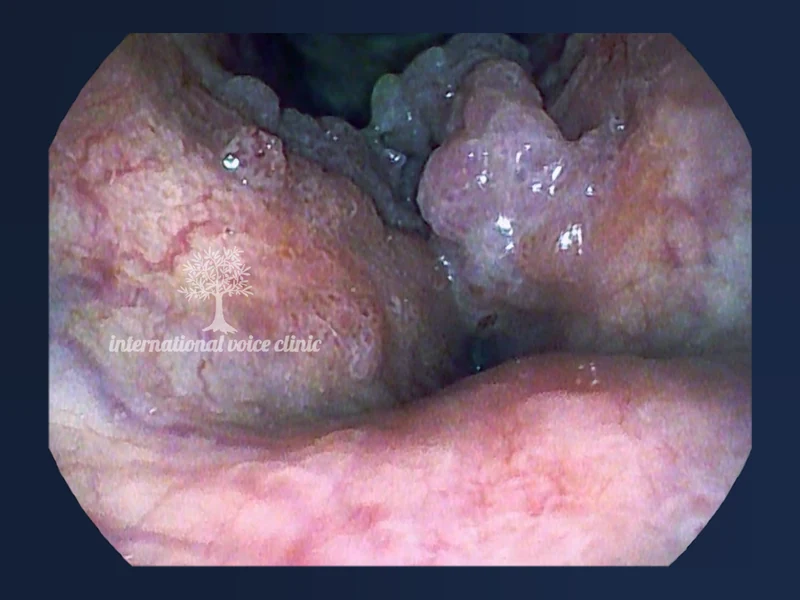
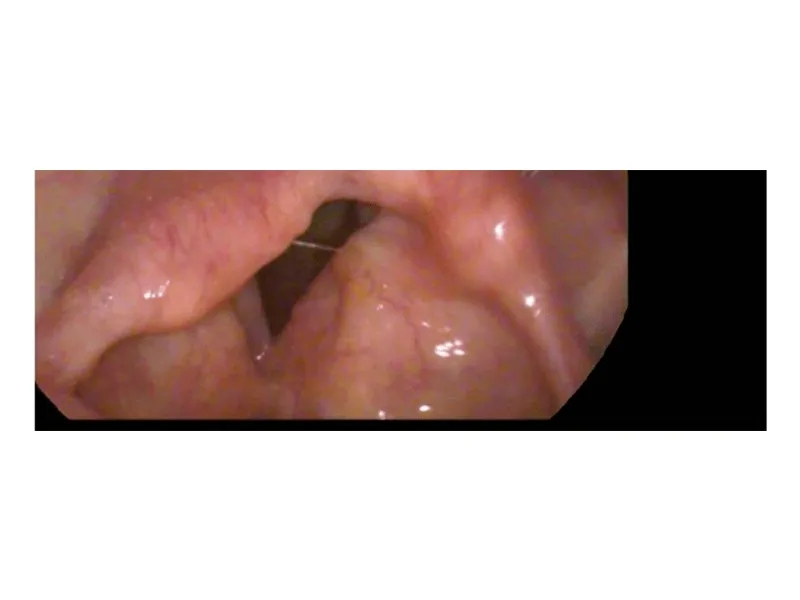
What is laryngeal amyloidosis?
Amyloidosis is a disease characterised by the deposition of proteinaceous material in various cell-free tissues. The material accumulates in different tissues in the body and leads to progressive organ dysfunction. Laryngeal amyloidosis — amyloid deposition in the larynx (voice box) and vocal cords (vocal folds) — is more common in men than in women.

What are the types of amyloidosis and which tissues are affected?
Amyloidosis can be seen as systemic or regional. The systemic form may involve all organs; the most commonly affected systems are the cardiovascular, skin, endocrine and nervous systems. Regional amyloidosis is most commonly seen in the lungs, larynx (throat), skin, and head and neck.
Where is laryngeal amyloidosis seen and which complaints does it cause?
Amyloid deposition in the larynx is most commonly seen in the vocal cords and the tissues above them. The most common symptoms in patients with laryngeal amyloidosis are respiratory distress, persistent cough, blood in the sputum, recurrent respiratory tract infections, hoarseness and difficulty swallowing.
Treatment of laryngeal amyloidosis
The treatment of laryngeal amyloidosis is surgical.