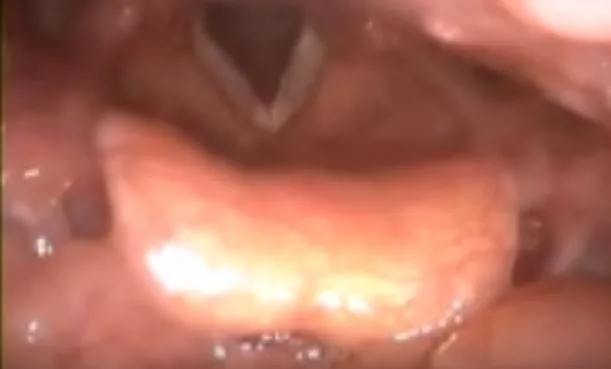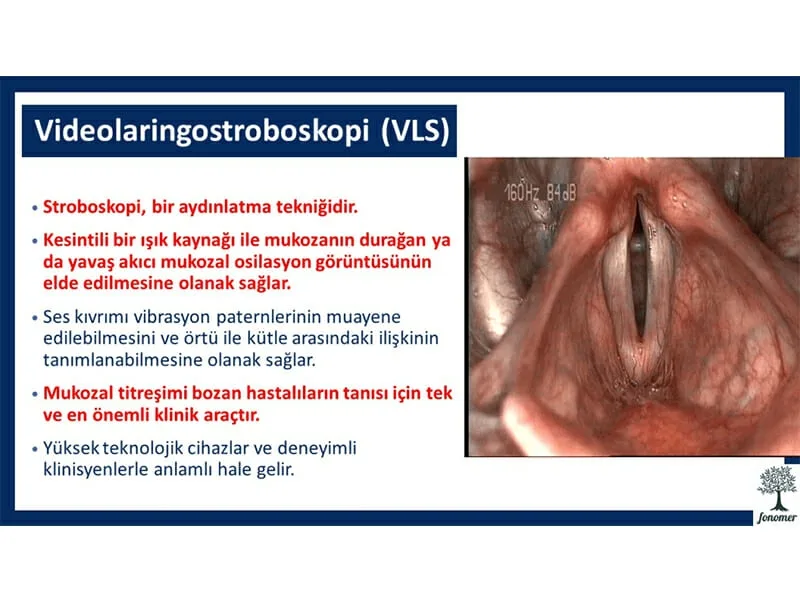
What is flexible fibreoptic nasopharyngoscopy and flexible fibreoptic laryngoscopy?
Internal structures of the nose, nasopharynx, Eustachian tube entrance, base of tongue, oropharynx, larynx, vocal cords, and hypopharynx (esophagus entrance) can be examined internally (endoscopic) while the patient is seated. No anesthesia is required during flexible fiberoptic nasopharyngoscopy and laryngoscopy (also called flexible fibreoptic laryngoscopy), and the procedure is painless for the individual. It can be easily performed in outpatient settings. Photos can be taken, and video recordings made for follow-up and monitoring purposes, helping to avoid unnecessary repeat examinations.
While it is very useful in making diagnosis and treatment decisions for all ENT pathologies, it is indispensable for diagnoses such as nasal polyps, nasal tumors, and adenoid in children and adults, and nasopharyngeal tumors. Similarly, it is a very useful diagnostic method for detailed and complete assessment of other structures in the vocal cords, pharynx, and larynx. Today, the high-definition camera (high definition chip-on-tip camera) at the tip of the endoscope provides visual information that far exceeds what is necessary for diagnosis. Thus, procedures such as biopsy, injections to the vocal cords, and filling materials for the vocal cords can also be performed in outpatient conditions.