Vocal cord papilloma — more precisely vocal fold papillomatosis — is a benign disease in which wart-like growths form on the vocal folds and elsewhere in the airway. Its medical name is recurrent respiratory papillomatosis (RRP), and the word “recurrent” matters: the papillomas often grow back after they are removed. This page is a guide for patients and families.
At a Glance
Vocal fold papillomatosis is a benign (non-cancerous) disease in which wart-like growths called papillomas form on the vocal folds and other parts of the airway. It is caused by the human papillomavirus (HPV), most often types 6 and 11.
The disease can affect children and adults. The most common symptom is hoarseness and voice change. In some patients, especially young children, papillomas can enlarge, narrow the airway and make breathing difficult.
For more than a century, surgery was the only reliable treatment, and some patients — especially those diagnosed very early in life — needed dozens of operations over their lifetime. That picture is now changing. Modern papilloma-specific lasers allow precise, voice-preserving surgery, and for small, limited lesions this can often be done in the office without general anaesthesia. Widespread HPV vaccination is also sharply reducing new cases in children in countries with strong vaccination programmes.
What Is Vocal Fold Papillomatosis?
The larynx (voice box) contains two vocal folds that vibrate to produce voice. Their surface is covered by a delicate layer of cells called epithelium. For a clear voice, this surface must be smooth, flexible and able to vibrate freely.
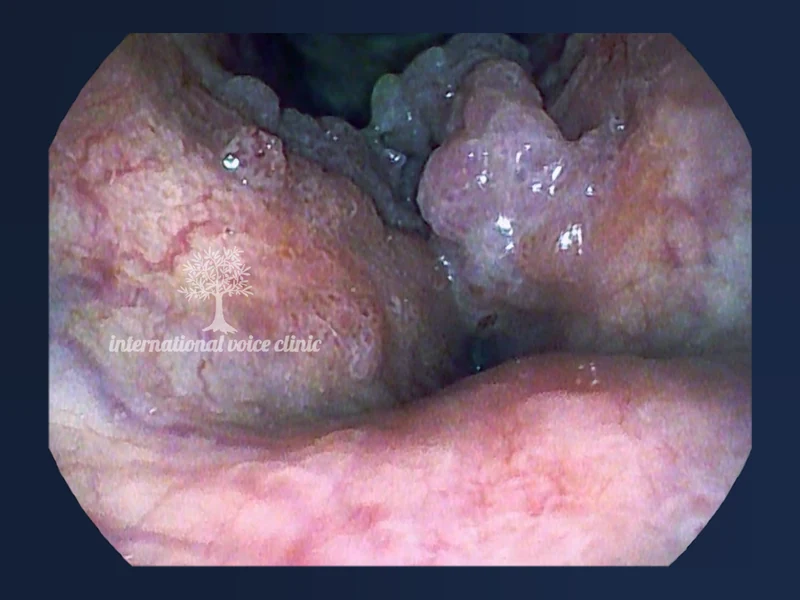
In papillomatosis, HPV infects the epithelium and makes it grow abnormally rather than smoothly. The result is clusters of small, finger-like projections. Each projection has a core of connective tissue with a rich blood supply, covered by thickened surface cells. Under the endoscope the lesions look like tiny bunches of grapes or a cauliflower-like surface, often with small red dots, which are the blood vessels in each projection.
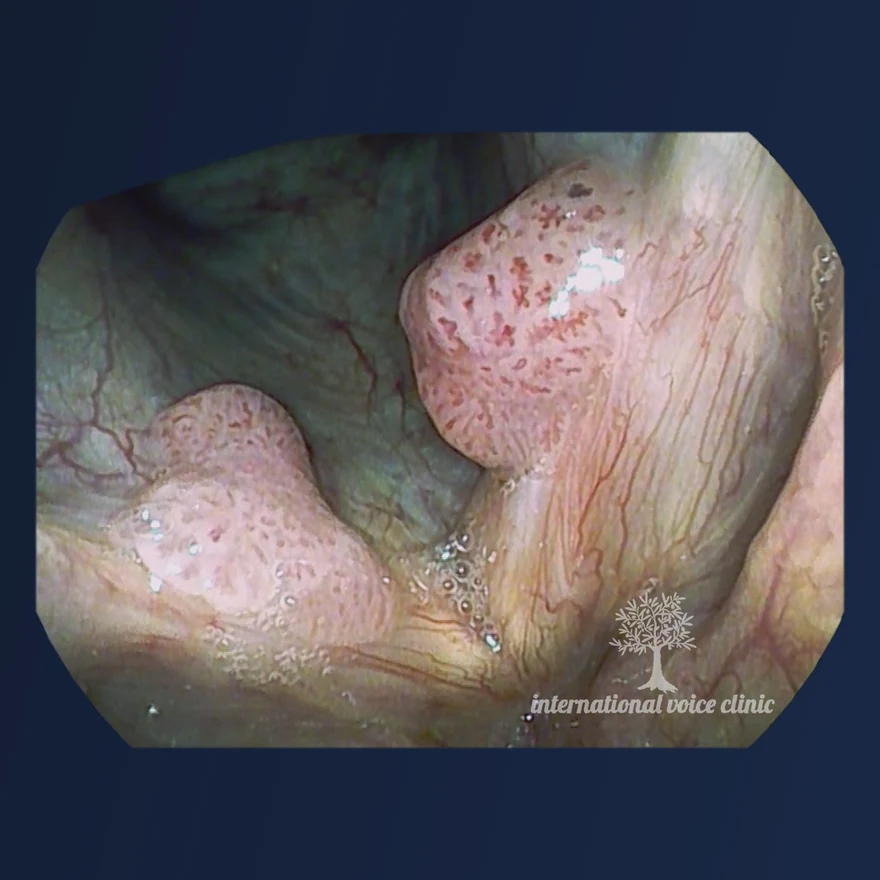
The papillomas are not cancer. However, they can take up space in the airway, stiffen the vibrating surface of the vocal folds, and grow back repeatedly. This is why the disease can be difficult to manage and why the choice of treatment is so important.
For classification purposes, we separate the disease into two forms. Juvenile-onset RRP starts in childhood, usually before age 12. Adult-onset RRP starts in adulthood. Both are caused by the same virus types, but they tend to behave differently.
What Causes It? What Is the Role of HPV?
Human papillomavirus is a very common DNA virus. More than 200 types are known. Most cause no problems at all, or cause only harmless skin warts. A small number are “high-risk” types linked to cervical, anal and some throat, head and neck cancers. The types that cause papillomatosis are usually low-risk types, mainly HPV-6 and HPV-11. These same two types cause most genital warts.
HPV-11 is generally associated with a more aggressive course than HPV-6. Patients with HPV-11 disease tend to need more frequent treatment and are more likely to have spread lower into the airway. For this reason, we often recommend HPV typing of the removed tissue.
One important feature explains why the disease recurs. HPV can live quietly for many years in cells of the airway lining that look completely normal. Surgery can remove every visible papilloma, but it cannot remove virus hidden in healthy-looking tissue. When conditions allow, this latent virus can become active again and new papillomas appear. For this reason, surgery alone controls the disease but cannot cure it. It is also why treatments that train the immune system against the virus are such an important advance.
How do children get the infection?
In children, the virus is thought to pass from mother to baby, most often during vaginal birth or sometimes via the bloodstream from the mother to the child. Studies show a clear link between genital warts in the mother and papillomatosis in the child. Maternal genital warts have been reported in roughly 20–60% of mothers of affected children. The classic risk profile is a first-born child, vaginal delivery and a young mother.
It is important to keep this risk in perspective. Most babies born to mothers with genital HPV never develop papillomatosis. The disease is less common in babies born by caesarean section, but caesarean delivery does not fully protect against it, and caesarean section is not recommended solely to prevent this rare disease. Parents of an affected child should never feel blamed. The infection is common, usually invisible, and transmission to the baby is unpredictable.
How do adults get the infection?
In adults, the exact route is often unclear. It may reflect infection acquired through sexual contact, or any kind of exchange of body fluids. It may also reflect reactivation of virus acquired years or decades earlier. Having adult-onset RRP says nothing about a person’s behaviour or recent relationships. There is no need for patients or partners to search for someone to blame.
Is it contagious?
RRP is not spread through everyday social contact, sharing a room, working together or casual touching. Sexual and intimate partners may share HPV, but the long-term partners of patients with RRP only rarely develop the disease themselves. We are always happy to discuss this privately with patients and their partners.
Who Gets Vocal Fold Papillomatosis?
The disease can appear at any age, but it tends to cluster in certain age groups. In children, it most often appears before age five. In adults, most cases appear from the late twenties to the forties. Some new studies also describe a later peak around the sixth decade of life.
It is a rare disease. Classic estimates suggest about 4 new cases per 100,000 children and about 2 per 100,000 adults each year. In countries with successful HPV vaccination programmes, the number of new childhood cases has fallen dramatically in recent years.
Is the Disease More Aggressive in Children?
Yes, in most cases. Childhood-onset papillomatosis tends to grow faster, involve more of the airway and recur more often than adult-onset disease. A child’s airway is also much smaller in diameter than an adult’s, so a lesion that would only cause hoarseness in an adult can cause significant breathing difficulty in a young child.
Some children need surgery every few months during active periods. Others have milder disease. Many children see the disease calm down or go into remission over time, often around adolescence, although this is not guaranteed. Children with RRP need a team experienced in both paediatric airway care and voice preservation.
In adults, the disease is often milder and slower. The course still varies a great deal. Some adults need only one or two procedures in their lifetime, while others have persistent, recurring disease.
Where in the Airway Does It Occur?
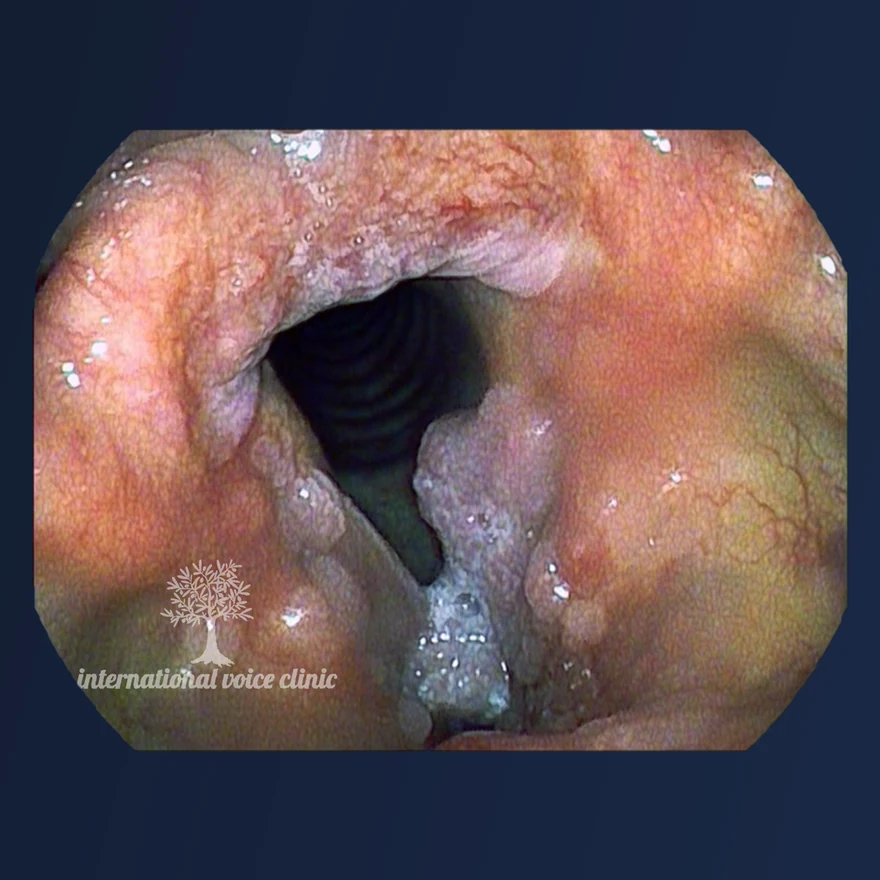
About 95% of patients have disease in the larynx. Within the larynx, papillomas usually affect the true vocal folds and the false vocal folds (ventricular folds) just above them. They also commonly appear at the “junction zones” where one type of lining meets another. These include the undersurface of the vocal folds, the area just below the vocal folds (subglottis), and the back surface of the soft palate facing the nose (nasopharyngeal surface).
In a minority of patients the disease spreads beyond the larynx. It may reach the trachea (windpipe) — roughly 2–15% of patients in different series — and more rarely the bronchi and lungs.
Symptoms
Hoarseness. Voice disturbance is by far the most common first symptom. The voice may sound rough, breathy, strained or weak. It often worsens gradually over weeks to months. Singers and other professional voice users may first notice loss of range, reduced control or increased vocal effort before others hear any change.
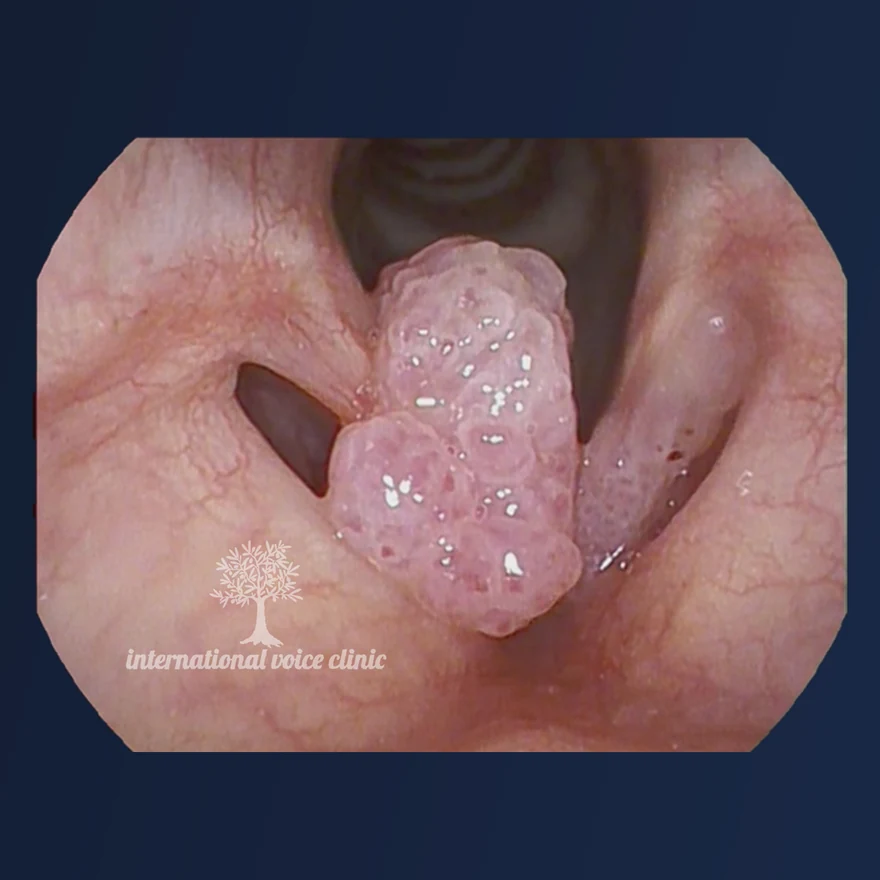
Other symptoms can include:
- Noisy breathing (stridor), which may be heard when breathing in or out
- Shortness of breath, especially during exercise, or a feeling of breathing through a narrow tube
- Chronic cough, or a feeling of something stuck in the throat
- Discomfort or difficulty when swallowing
- In babies and young children: a weak or unusual cry, noisy breathing, feeding difficulties or poor weight gain
In children, papillomatosis is sometimes mistaken for asthma, croup or bronchitis for months before the correct diagnosis is made. Any child with persistent hoarseness or noisy breathing should have the larynx examined by an ear, nose and throat specialist.
Seek urgent care immediately if there is worsening noisy breathing, visible effort to breathe (such as the skin pulling in between the ribs or at the base of the neck), bluish lips, or difficulty breathing at rest. Airway obstruction from papillomas can progress, and it can progress to a medical emergency.
How Is It Diagnosed?
Endoscopic examination of the larynx
Diagnosis begins with a direct look at the vocal folds. At our clinic this is done in the office, with the patient awake. A thorough examination of the whole upper respiratory tract is needed, as papillomas may arise anywhere, even in the nasal cavity.
- Flexible or rigid endoscopy shows the size and position of the lesions and how they affect breathing.
- Videolaryngostroboscopy uses a special pulsing light to show the vocal folds vibrating in slow motion. It reveals how much the papillomas are stiffening the vibrating surface, which directly determines voice quality.
- i-scan and similar image-enhancement techniques highlight the tiny blood vessel loops typical of papillomas. This makes small or early lesions easier to see and helps separate papillomas from other conditions.
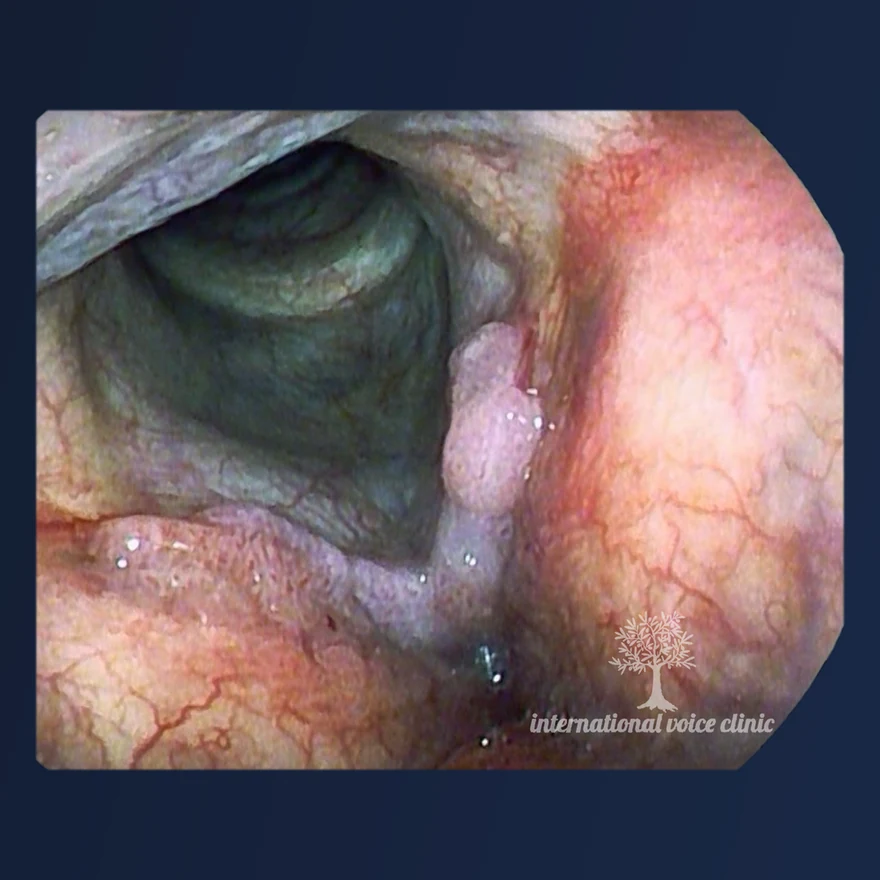
A careful examination includes areas where hidden disease is often missed. These include the undersurface of the vocal folds, the subglottis and, where appropriate, the nasopharyngeal surface of the soft palate.
Tissue diagnosis
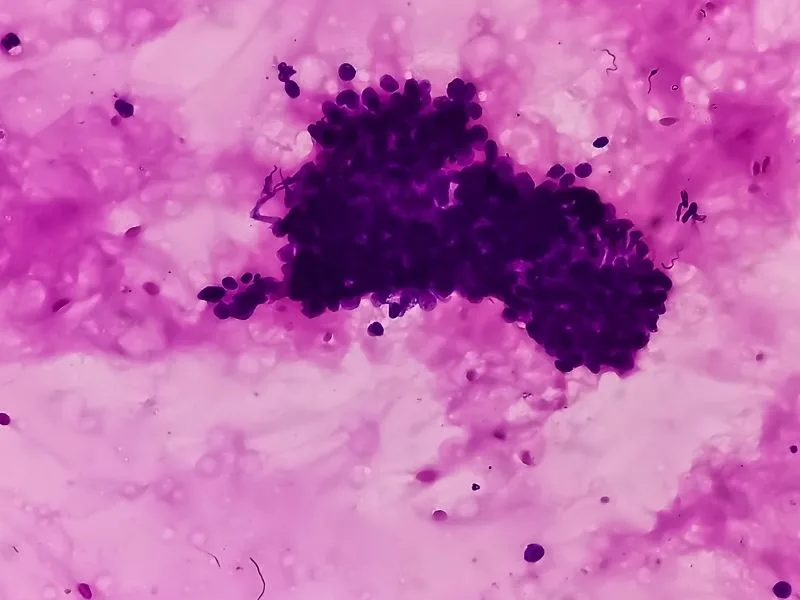
Some other conditions can look similar to an inexperienced eye. On rare occasions, papillomas can resemble early laryngeal cancer. For this reason, the tissue removed during surgery is examined under the microscope (histopathology). The pathology report confirms the diagnosis and looks for any abnormal cell changes (dysplasia), and laboratory work can identify the HPV type.
Staging and further tests
Specialists often use a standardised scoring system to record the extent of disease at each visit. This allows objective comparison over time and between treatments. If there are signs that the disease may have spread to the trachea or lungs, further evaluation may include airway endoscopy below the vocal folds and, when needed, a CT scan of the chest.
Can Papillomatosis Turn into Cancer?
Papillomas caused by HPV-6 and HPV-11 are benign, and in the great majority of patients they remain so. However, there is a small risk of malignant transformation into squamous cell carcinoma, usually estimated as less than 3% of patients over time. The risk appears higher in adults with long-standing disease, in smokers, in patients with disease that has spread into the lungs, in some patients with HPV-11 disease, and in those who previously received radiation to the head and neck area.
Even this small risk is one of the reasons why RRP needs lifelong specialist follow-up. Removed tissue is routinely examined for dysplasia, and any change in the appearance or behaviour of the lesions is always taken seriously. Not smoking is one of the most important things a patient with RRP can do.
Treatment: Goals and Principles
The goals of treatment are:
- To keep the airway safe and open.
- To restore and preserve the best possible voice.
- To reduce the number of procedures the patient needs over a lifetime.
- To protect the delicate healthy tissue of the vocal folds, so that repeated treatments do not cause permanent scarring.
The last point is often what separates a good long-term voice result from a poor one. The vibrating layer of the vocal fold is only a fraction of a millimetre thick. Aggressive or repeated surgery that removes or burns this layer can leave scars, and scarring can then damage the voice even more than the papillomas ever did. The principle of modern RRP surgery is therefore: remove the disease, spare the healthy vocal fold tissue.
Surgical Treatment
Microlaryngeal surgery under general anaesthesia (phonomicrosurgery)
The traditional approach is surgery through the mouth under general anaesthesia, using an operating microscope or high-definition endoscopes. The surgeon removes the papillomas using fine instruments or a laser.
Several technical details matter a great deal in RRP surgery:
- Removing all visible papillomas. The virus is concentrated in the superficial layers of the lesion, so careful removal of the growth itself is important. It must be done without going deeper than necessary into the healthy vocal fold.
- Protecting the front of the larynx. Where the two vocal folds meet at the front (the anterior commissure), treating both sides at the same time can cause a web of scar tissue to form between them. When disease is present on both sides, the surgeon may prefer to treat the area in stages.
- Avoiding jet ventilation where possible. Jet ventilation is a method of delivering oxygen during airway surgery. It can theoretically blow infected particles deeper into the lower airway.
- Avoiding tracheotomy whenever possible. A tracheotomy is an opening in the neck into the windpipe. In RRP it can allow the disease to spread to the trachea and to the opening itself. It is reserved for exceptional situations where the airway cannot be secured any other way.
- Protecting the operating team. Laser procedures can release HPV into the smoke plume. Proper smoke evacuation and protective masks are standard.
Papilloma-specific lasers
One of the most important advances in RRP care is the use of photoangiolytic lasers. Examples include the KTP laser (532 nm), the newer blue laser (445 nm) and the previously used pulsed dye laser (585 nm).
These lasers are designed to be absorbed mainly by the blood (haemoglobin) inside the small vessels that feed each papilloma. The laser energy seals off the blood supply of the lesion and causes it to shrink or come away. It does this with much less heat spread to the surrounding healthy tissue than older cutting lasers. The practical result is precise treatment with a lower risk of scarring and better protection of the vibrating layer of the vocal fold. Many studies have confirmed this, especially for patients who need repeated treatments.
Office-based laser treatment, awake
Photoangiolytic lasers can be passed through a thin channel in a flexible endoscope. This makes it possible, in suitable patients, to treat papillomas in the office while awake, under local anaesthetic spray. No general anaesthesia, no operating room and not even a needle stick is needed.
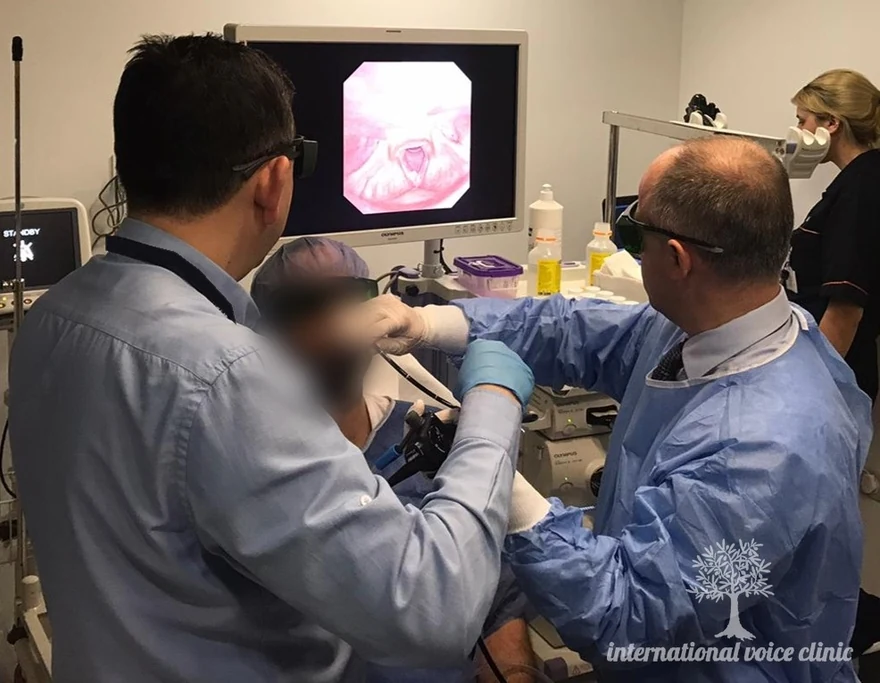
For adults with recurring disease, office-based treatment offers important advantages:
- No general anaesthesia, and no need to place a breathing tube past the lesions
- Treatment usually takes a short time, and the patient goes home the same day
- Many patients return to work or normal activity the same day
- Earlier, smaller treatments become practical, so lesions can be treated while they are still small
Not every patient is suitable. Very extensive disease, disease in hard-to-reach areas, significant airway narrowing, young children, patients whose posture or a narrow nasal cavity with severe septal deviation makes access difficult, and patients who cannot tolerate the procedure are generally better treated in the operating room. The right choice is made individually by your surgeon after the examination.
Office-based laser treatment is best for limited, small disease, and it can easily be repeated within weeks when needed again.
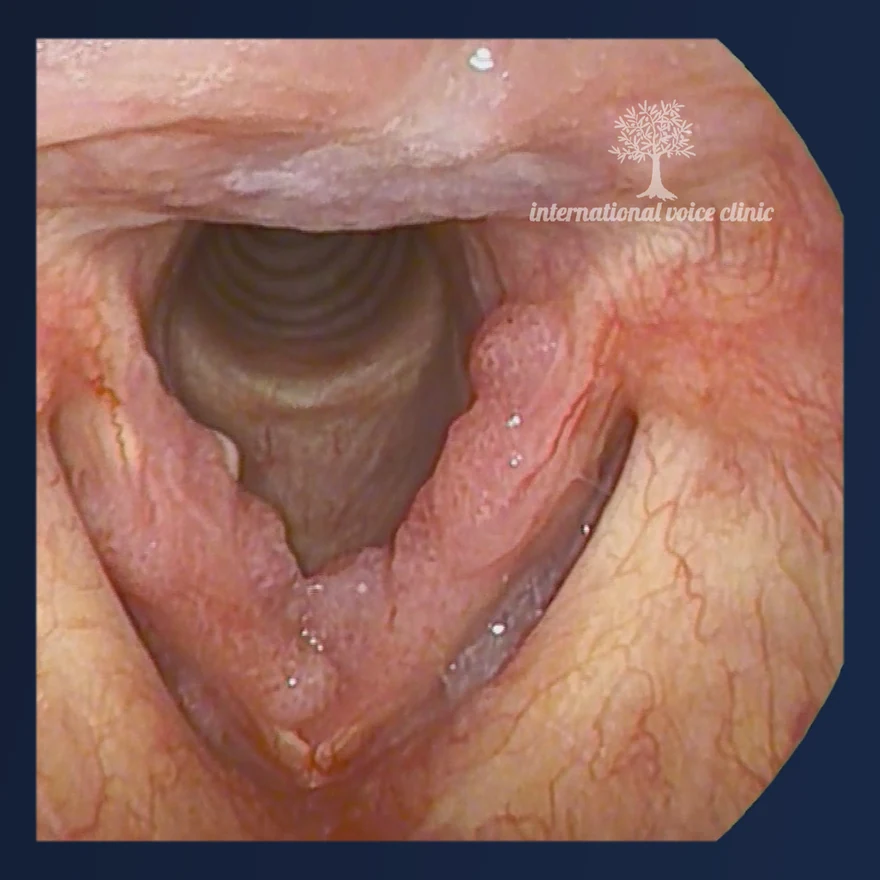
Adjuvant (Additional) Treatments
When papillomas return frequently, spread beyond the larynx or require surgery many times a year, specialists add treatments that work alongside surgery. The field has changed rapidly in recent years.
Bevacizumab
Papillomas depend on a rich network of blood vessels. Bevacizumab is a medication that blocks a key signal for blood vessel growth (VEGF). It has been used for many years “off-label” (outside its original approved indication) in RRP. It may be injected directly into the lesions at surgery or, in severe, rapidly recurring or lung-involving disease, given intravenously at regular intervals.
Intravenous bevacizumab can produce excellent disease control in severe cases. However, it does not remove the underlying HPV infection, and the disease often returns when treatment is stopped. It also requires monitoring for side effects such as raised blood pressure, protein in the urine, and bleeding or wound-healing problems. It is usually managed jointly with oncology specialists.
HPV vaccination as an additional treatment
The HPV vaccine (for example, the 9-valent vaccine) protects against HPV-6 and HPV-11. It was developed to prevent infection, not to treat it. However, several studies and pooled analyses suggest that vaccinating patients who already have RRP may lengthen the time between surgeries and reduce the number of procedures needed. The vaccine is safe and widely available, so many RRP specialists, including myself, recommend it as an adjuvant for patients who have not already been vaccinated.
Older and investigational treatments
Other adjuvant treatments have been used over the years, including interferon, cidofovir injections, indole-3-carbinol and anti-reflux medication. Their use has become more limited as better-supported options have emerged. Cidofovir, for example, was once widely used but is now used far more selectively.
Immune checkpoint inhibitors, such as those used in cancer immunotherapy, and other HPV-directed vaccines and immunotherapies are being studied in clinical trials, particularly for severe disease. Patients with difficult-to-control RRP may be candidates for clinical trials, and we are glad to discuss this. The HPV-targeted immunotherapy zopapogene imadenovec (Papzimeos) is hoped to become one of the most significant developments in RRP care in decades — however, as of today it is not yet an option for our patients.
Voice After Treatment
With careful, tissue-sparing treatment, many patients achieve a good or near-normal voice, even after repeated procedures. The best voice outcomes come from:
- Treating recurrences early, while lesions are small
- Using photoangiolytic lasers and precise techniques that protect the vibrating layer
- Avoiding over-treatment, and staging treatment near the front of the vocal folds
- Voice therapy with a voice therapist after treatment, to restore efficient, healthy voice use and avoid compensatory strain
For singers, actors, teachers and other professional voice users, treatment is planned with their vocal demands in mind. We coordinate timing around performances and professional commitments whenever it is safe to do so.
Living with RRP: Follow-Up and Everyday Life
RRP is best thought of as a chronic condition that is controlled, rather than a single problem that is fixed. Regular follow-up examinations allow recurrences to be treated early and small, which is kinder to the vocal folds and usually means simpler procedures. The interval between check-ups is tailored to each patient, from every few weeks in active childhood disease to once or twice a year in quiet adult disease.
Practical advice for patients:
- Do not smoke, and avoid second-hand smoke. Smoking is linked to more aggressive disease and a higher risk of malignant change.
- Report changes early. Tell us promptly if your voice worsens again, or if you notice any breathing difficulty, noisy breathing or cough.
- Look after your general health, including managing reflux if present, staying well hydrated and using healthy voice habits.
- Consider the HPV vaccine if you have not been vaccinated yet.
- Seek support. A recurring disease can be emotionally tiring for patients and families. Patient support organisations and connecting with others living with RRP can help.
Pregnancy. Women with RRP who become pregnant, or who plan to, should let their specialist know. Hormonal changes in pregnancy can sometimes influence papilloma growth, and the delivery team should be aware of the diagnosis.
Many long-term remissions do occur. Some patients, both children and adults, eventually stop needing treatment altogether.
Prevention: The Power of HPV Vaccination
The most encouraging development in the long-term story of RRP is prevention. Because HPV-6 and HPV-11 are included in the widely used HPV vaccines, vaccination before exposure to the virus prevents infection with the types that cause papillomatosis.
Countries with early, high-coverage national HPV vaccination programmes have seen a striking fall in new cases of childhood RRP. Australia is the best-known example: after girls and young women were vaccinated in large numbers, new cases of juvenile-onset RRP fell sharply within a few years. Vaccinated young women pass HPV-6 and HPV-11 to their babies far less often, so fewer children develop the disease.
For this reason, we strongly support HPV vaccination of both girls and boys according to national recommendations. It protects against several cancers and genital warts, and against this rare but burdensome airway disease in the next generation.
Frequently Asked Questions
Is vocal fold papilloma cancer?
No. It is a benign growth caused by low-risk HPV types. There is a small long-term risk of malignant change, estimated at less than 3% of patients. This is one of the reasons for regular specialist follow-up and for examining the removed tissue under the microscope.
Can it be cured completely?
Surgery removes the visible papillomas but cannot eliminate virus hidden in normal-looking tissue, so recurrence is common. However, many patients go into long-term remission, and vaccination helps towards no or only light recurrence.
How many operations will I need?
This varies greatly. Some adults need only one or two procedures in their lifetime. Others, especially children with aggressive disease, may need many. Modern office-based lasers and adjuvant treatments aim to reduce both the number and the burden of procedures.
Can I pass it on to my partner, my family, or my colleagues?
RRP is not spread through normal social contact. Intimate partners may share HPV, but partners of patients with RRP only rarely develop the disease themselves.
I am pregnant and have had genital warts. Will my baby get RRP?
Most babies born to mothers with genital HPV never develop RRP. Caesarean section is not routinely recommended solely to prevent it. Discuss your situation with your obstetrician. If your child later develops persistent hoarseness or noisy breathing, have the larynx examined.
Will I be able to sing or use my voice professionally again?
Many patients, including professional voice users, return to a good or excellent voice. The key factors are careful, tissue-sparing treatment, early treatment of recurrences, and voice therapy.
Should I get the HPV vaccine even though I already have RRP?
Many specialists recommend it. It is safe, and studies suggest it may reduce how often the disease recurs. Discuss it with your laryngologist.
Our Approach at the International Voice Clinic
At the International Voice Clinic, papillomatosis is managed by a team specialised in laryngology and phoniatrics, with a single guiding principle: control the disease while protecting the voice and airway for a lifetime.
Our approach includes:
- Detailed in-office evaluation with videolaryngostroboscopy and image-enhanced endoscopy
- Individual treatment planning based on disease extent, HPV type, voice demands and personal circumstances
- Voice-preserving microlaryngeal surgery and papilloma-specific laser techniques, including office-based treatment for suitable patients
- Guidance on adjuvant therapies and the latest developments in HPV-related care
- Voice therapy and long-term follow-up
International patients are welcome to share existing endoscopy videos and pathology reports with us for an initial review before travelling. Our medical consultancy line is available here, or you can send us an appointment request.
Key Points
- Vocal fold papillomatosis (RRP) is a benign, recurring growth in the airway caused mainly by HPV-6 and HPV-11.
- Hoarseness is the most common symptom. In children, noisy breathing and breathing difficulty can be serious and need urgent evaluation.
- Treatment aims to keep the airway safe, restore the voice and avoid scarring. Photoangiolytic lasers, including office-based treatment, have transformed voice-preserving care.
- HPV vaccination is dramatically reducing new childhood cases and may also help patients who already have the disease.
Medical disclaimer: this page is for general information only and does not replace a consultation with a qualified physician. Results of any surgical or interventional procedure vary from person to person. Please consult your doctor for advice about your individual situation.